FinancialTime professional site for small businesses
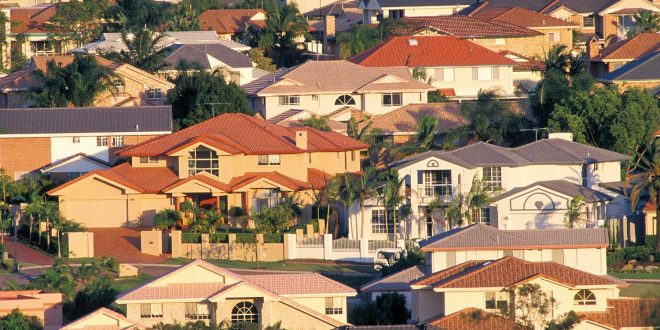
In crowded real estate markets struck hard by the coronavirus pandemic, city residents are looking at where they desire to endure a new lens. During the second quarter of 2020, 51% of realtor.com’s views from urban residents of the country’s 100 biggest metros went to suburban residential or commercial properties in their cities, a record high has given that the genuine estate listings website began tracking city level search information in 2017.
“We see lingering impacts of the coronavirus on shopping habits and choices,” stated realtor.com chief financial expert Danielle Hale. “In the Northeast, especially, individuals are now as likely as before the pandemic to be trying to find a house in a market that’s not where they currently live. However, those looking elsewhere are far more most likely to be searching in smaller, nearby markets.”
Urbanites who now find themselves working from home are getting a taste of what life might be like in less largely populated areas, according to realtor.com’s quarterly Cross Market Need Report, which determines search data to provide insight into where consumers are looking for their next home.
As lots of tech businesses extend their work-from-home policies and staff members anticipate that their companies will manage more flexibility for remote working, the possibility exists for homebuyers to search farther from the house as the year advances.
Hale stated, “With remote work more common and accepted, it seems that individuals are looking to locate farther from the office either to enjoy more space at a much better rate or get closer to nature in the mountains or at the beach.”
Some house shoppers cautious of thick environments are turning their attention to mountain towns for peace and peace of mind. Genuine estate broker Tye Stockton of LIV Sotheby’s International Realty stated activity has selected up from out-of-state buyers seeking single-family houses in mountain resort neighborhoods. Buyers are eyeing high-acreage lots and features such as house fitness centers, swimming pools and house offices.
“With so much public land around us, people are looking for not just Vail, but Aspen, Sun Valley, Jackson Hole, Park City– a few of these mountain resort neighborhoods– as sort of safe houses,” said Stockton. “Even homes in remote areas that might have otherwise been more quieter in terms of revealing or offering activity, we have seen a tremendous uptick.”
Besides more living space, purchasers are reassessing what amenities and features they want most in a home. “Individuals are looking for things like upgraded kitchen areas,” said Hale. “Possibly they can establish a workout area in their houses or they are searching for areas that have natural features like walking paths and trails where they can go running and get their exercise because of way.”
During the second quarter, home searches in Seattle, Portland, Los Angeles and San Diego from outside markets cooled, while California metros Riverside-San Bernardino, San Francisco and Sacramento saw an enhancement in out-of-market home-buying interest.
Need in Riverside was heavily driven by Los Angeles homeowners, while the market likewise saw demand from San Diego searchers. Sacramento homes were primarily seen by home shoppers from San Francisco, San Jose and Los Angeles, which might have been prompted by remote employees looking for cost and more area.

Interest in San Francisco was primarily driven by San Jose, maybe as close-by buyers are seeing an opportunity to get into the pricey, exclusive market.
While the Southeast, particularly South Florida, and Texas, Mississippi, Alabama, Georgia and South Carolina, saw an increased interest from searchers in other markets during the second quarter, out-of-market searches slowed in July as the area fought a spike in Covid-19 cases. At the very same time, some of the region’s largest cities, consisting of Atlanta, Dallas, Houston, Miami and Tampa, saw inbound searches decrease in July compared to the 2nd quarter.
The Midwest saw increasing out-of-market shopping interest before the pandemic hit, but has failed to recapture that strength. Midwestern metro locations have seen the rate at which house buyers browsed outside their house metros nearly consistently decrease because of February, other than a small improvement in Might. Hale stated this signals that Midwestern cities are likely still having a hard time to go back to normal, and follows issue for emerging COVID hot-spots in the area and pre-pandemic task market weak point.
“Even before the pandemic, the Midwest didn’t have the very same task strength as the South and the West,” said Hale. “Due to the fact that it didn’t have the task strength, it similarly didn’t have the housing market strength. The real estate market is doing fine, it’s simply not growing as rapidly as in other parts of the country.”