 FinancialTime professional site for small businesses

President Donald Trump has moved powerfully to push extraordinary limits on government health help for the bad, trying to follow through on conservatives’ long-held goals for reshaping the healthcare security net.
That ambition has knocked into a brick wall in the middle of the coronavirus– with the help of Republican states wary of cutting back health coverage for their poorest homeowners during a pandemic.
Citizens in even the reddest parts of the nation are approving or weighing Medicaid expansions as the coronavirus tears through communities and historical levels of unemployment leave workers without health coverage. And Republican governors aren’t lining up for Trump’s two major transfer to limit Medicaid: work requirements for lots of adults and block grants to states instead of open-ended financing.
Now Republican specialists who have led the party’s thinking on Obamacare options acknowledge the conservative agenda is out of action with public needs. And the worst public health emergency situation in a century is now fueling a dispute over how to frame the celebration’s health program around this moment when Democrats delight in a clear polling benefit on healthcare issues.
“The pandemic changes everything,” stated Thomas Miller, a resident fellow at the conservative American Business Institute. Individuals, he stated, are feeling vulnerable and asking the federal government, “What are you going to provide to me?”
As the November election approaches with millions out of work, there’s a growing recognition that more individuals will pertain to depend upon that safety net. Almost 1 in 4 Americans who aren’t on Medicaid themselves said it’s likely they or a family member will turn to it within the next year, according to a Kaiser Family Structure poll this spring. Assistance for Medicaid growth has likewise increased in states where Republican leaders have rejected it, with about two-thirds of citizens saying leaders should extend coverage to numerous thousands more.
Work requirements approved by Trump were just in effect in one state, Utah, before they were paused this spring as the infection wrought economic devastation. Somewhere else courts blocked them– or states struck hold exactly due to the fact that they saw the legal trend.
Only one state, Oklahoma, has signed up for Trump’s deal to top a part of Medicaid costs for the very first time in the privilege program’s history. However, that plan might be derailed by citizens’ approval of a ballot effort buying the state to expand Medicaid without tacking on conservative policies. Missouri voters might well do the same in rebuking Republican leaders on a similar Medicaid growth ballot procedure next month.
Missouri will be the sixth state to have such a vote– and Medicaid growth has brought in all of them so far, consisting of especially conservative states like Idaho and Utah.
On The Other Hand, Health and Person Solutions Secretary Alex Azar said Trump won’t use an Obamacare replacement before a Supreme Court judgment on the law, which is unlikely prior to the election. Republican lawmakers, who invested the first year of Trump’s presidency trying and failing to eliminate Obamacare, are largely distancing themselves from Trump’s welcome of the Supreme Court difficulty that threatens the law’s survival.
Trump has offered little reassurance there’s a method for protecting health care protections for the more than 20 million who would lose if the Supreme Court guidelines versus Obamacare. The president has repeatedly promised to supply cheaper and better coverage that secures people with pre-existing conditions, but those promises are undercut by the celebration’s decadelong battle to settle on a replacement.
Republican policy professionals say the GOP during the coronavirus crisis has been left understanding for a healthcare platform when Democrats are controlling on a problem that is again top of mind for citizens.
“What is the Republican healthcare agenda now? There isn’t a consensus on that, there wasn’t a consensus in 2017 on that either, which is a huge part of why repeal and change failed,” stated conservative health policy expert Avik Roy, who heads the Structure for Research on Level Playing Field, a free-market think tank.
Conservatives have cheered Trump’s relocate to rein in Medicaid and undercut Obamacare, saying they would reduce costs and supply more economical medical insurance alternatives. But those will provide more attack fodder for Democrats, who utilized health care to enhance their fortunes in the 2018 midterm elections and aspire to spotlight Trump’s program this fall.
“It’s a more unsafe agenda than ever, it’s increasingly harmful with voters, and we’re holding Republicans liable,” composed Stewart Employer, spokesperson for the Democratic Senatorial Campaign Committee, in an email.
Polling reveals that Democrats maintain a comfortable lead over Republican politicians on healthcare, and Trump continues to survey poorly on his handling of the worst health crisis in a century. An election year messaging expense Home Democrats authorized 2 weeks ago, seeking a contrast with Trump’s health moves, would broaden Obamacare’s insurance aids and likewise incentivize the staying 13 Medicaid expansion holdout states to sign up with the program.
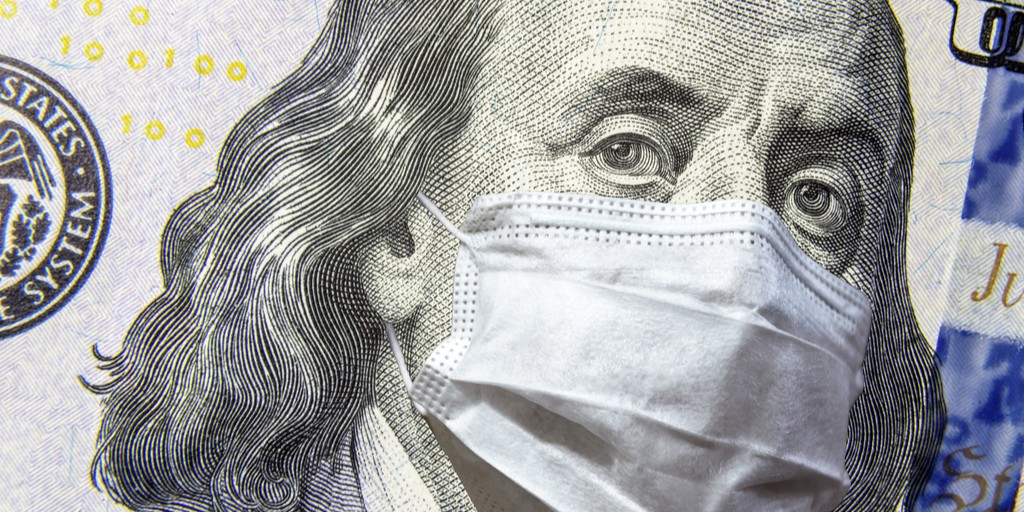
A White House spokesperson defended Trump’s attacks on Obamacare while highlighting the president’s other current health care initiatives delighting in more bipartisan appeal, like capping insulin expenses for seniors and broadening telehealth capability throughout the pandemic.
“An international pandemic does not change what Americans understand: Obamacare has been an illegal failure and more shows the need to focus on patient care,” stated the spokesperson, Judd Deere. “It restricts patient choice, forces Americans to purchase unaffordable plans, and restricts patients with high-risk pre-existing conditions from accessing the doctors and hospitals they need.”
Trump himself has attempted to get hold onto other health care messages in current weeks. After a federal judge last month upheld the administration’s new requirement that hospitals disclose secret prices they work out with health insurers, Trump declared on Twitter the decision was “bigger than health care itself”– an evident referral to the Affordable Care Act. The requirement isn’t set up to take impact until January, and it’s a significant question whether the brand-new transparency guideline will require down healthcare costs as supporters declare it will. Healthcare facilities are still attempting to overturn the required in courts.
The president has likewise just recently scolded Democrats on drug rates after conversations over bipartisan Senate legislation broke down, but Republicans never completely welcomed the strategy. Pharmaceutical companies meanwhile raised prices on numerous drugs during the pandemic, defying Trump’s tough talk versus the industry.
Some conservatives have actually argued that the pandemic has made their case for a Medicaid overhaul even more pushing. State budget plans have taken a hit from lost profits throughout shutdowns, and some have already trimmed Medicaid costs, which is usually among their biggest budget products. However, they acknowledge the challenging optics of the program at this moment.
“We’re a couple of months before an election, so political aspects are on everybody’s mind. And you know, how does the media report things? The media tends to report Republican health plans as evil, attempting to decrease protection, compromise the safeguard, therefore Republicans know that,” stated Brian Blase, a previous Trump assistant who assisted develop the administration’s options to Obamacare protection.
But Trump’s biggest concept for Medicaid– block-granting a portion of Medicaid spending for the very first time in the program’s 55-year history– was currently viewed skeptically by numerous Republican governors, despite longtime conservative support for the idea. Instead of receiving an open-ended payment based on the requirement, states would get a swelling amount and more freedom from lots of program requirements. Supporters of the idea state states might better manage their Medicaid programs, however, critics alert it would leave states with little choice however to cut enrollment and services during times of financial distress, as much of the nation is experiencing now.
“The risk to states from a Medicaid block grant has constantly been unexpected occasions that increased health care expenses or registration,” stated Larry Levitt, an executive vice president at the Kaiser Household Structure. “The double whammy of a pandemic and financial crisis is most likely to give states stop briefly.”
The pandemic, meanwhile, has been expanding the use of the safeguard. More individuals who lost work environment health insurance coverage have been signing up for Obamacare plans, though Trump resisted resuming the health care law’s insurance markets more broadly to the uninsured. The federal government is momentarily putting more cash into Medicaid programs as enrollment is anticipated to grow throughout the pandemic, and states are disallowed from paring their Medicaid rolls during the coronavirus emergency situation.
Some Republican lawmakers state they’re not deserting their strategies to control Medicaid and Obamacare– simply putting them on hold.
The Republican Research Study Committee, the policy arm of conservative legislators, is dealing with the second stage of a 58-page framework for an Obamacare option it launched last fall. The pandemic has delayed the schedule for ending up the strategy, a representative stated.
Sen. Expense Cassidy, a Louisiana Republican politician who authored an Obamacare replacement strategy that consisted of a choice for a Medicaid block grant, said there will be an opportunity to examine significant health care programs after the pandemic.
“When individuals are under duress, they really don’t like modification,” Cassidy stated. “But when things are going better, then they have a little bit more convenience level with modification.”


